
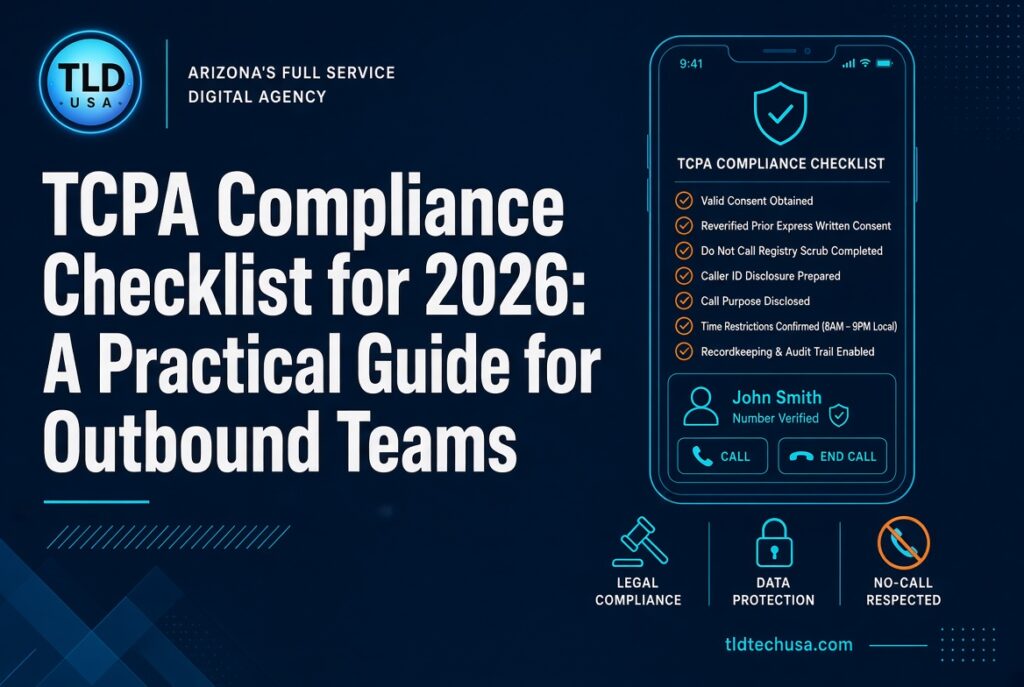
Text message marketing works. Open rates crush email, and customers respond fast. Unfortunately, that same effectiveness has turned SMS marketing into one of the fastest-growing sources of legal exposure for small businesses. A single improperly sent promotional text can trigger a TCPA text message lawsuit, and the penalties add up per message, not per campaign.
Quick answer: A TCPA text message lawsuit arises when a business sends marketing texts without proper prior written consent, continues texting after someone opts out, or sends messages outside allowed hours. Penalties run from $500 to $1,500 per violation, and since each individual text can count as a separate violation, a single flawed campaign to a modest list can create six or seven figures of potential liability.
Table of Contents
- Why TCPA Lawsuits Are Rising So Fast
- What Actually Triggers a Violation
- The Consent Mistake Almost Everyone Makes
- Building Compliant SMS Marketing
- What to Do If You Receive a Demand Letter
- A Simple Next Step
- Frequently Asked Questions
Why TCPA Lawsuits Are Rising So Fast
TCPA lawsuit filings have climbed sharply so far this year compared to last. A few factors are driving this. First, SMS marketing has exploded in popularity, giving plaintiffs’ attorneys far more potential violations to pursue. Second, the statutory damages are large enough per message that even a modest list creates meaningful financial exposure. Finally, courts have shown a willingness to certify class actions in these cases, which multiplies the potential payout dramatically.
Because of all this, what used to feel like a low-risk marketing channel has become one that genuinely requires careful compliance.
What Actually Triggers a Violation
Sending marketing texts without proper prior written consent.
Simply having someone’s phone number from a purchase or appointment is not consent to send them promotional messages.
Continuing to text after someone opts out.
Once a customer replies STOP, every message sent afterward is a separate violation, even if it happens by accident through an automated system.
Texting outside allowed hours.
Marketing texts generally cannot be sent before 8 a.m. or after 9 p.m. in the recipient’s local time zone.
Using a purchased or scraped contact list.
Lists acquired from a third party rarely come with valid, documented consent, which makes them a common and serious source of liability.
The Consent Mistake Almost Everyone Makes
Here’s where most businesses get tripped up. A customer gives their phone number for an appointment reminder or a receipt. The business assumes that’s enough to also send promotional offers later. It isn’t. Courts require clear, documented consent specifically for marketing messages, separate from transactional or account-related texts. Without that specific documentation, even a well-intentioned promotional campaign can create real legal exposure.
Building Compliant SMS Marketing
Get explicit, documented consent for marketing texts specifically.
A simple checkbox or opt-in confirmation, separate from transactional consent, closes most of this gap.
Include clear opt-out instructions in every message.
A simple “Reply STOP to unsubscribe” line needs to actually work, immediately and completely.
Keep detailed records of every opt-in and opt-out.
Timestamps, consent language shown at the time, and the method of consent all matter if a claim is ever made.
Respect quiet hours without exception.
Automate your sending schedule so messages simply cannot go out before 8 a.m. or after 9 p.m. local time.
Review your CRM or marketing platform’s compliance features.
A properly configured system can automate consent tracking and opt-out enforcement so compliance doesn’t depend on manual diligence every time. This connects directly to the setup we cover in our guide on CRM for small business.
What to Do If You Receive a Demand Letter
Don’t respond directly without legal counsel.
Anything you say can affect your position, so involve an attorney familiar with TCPA claims before replying.
Pull your consent records immediately.
Documentation showing proper consent and opt-out handling is your strongest defense.
Audit your current SMS practices right away.
Even if the specific claim gets resolved, fixing the underlying process prevents a repeat issue.
A Simple Next Step
SMS marketing remains genuinely effective when it’s done correctly. The businesses running into trouble aren’t the ones using text marketing. They’re the ones running it without proper consent tracking and compliance safeguards in place.
Book a time to review your SMS marketing compliance: calendly.com/tldusa480/30min
Frequently Asked Questions
Can I text customers who gave me their phone number for an appointment?
Not for marketing purposes, unless they separately consented to promotional messages. Transactional consent and marketing consent are treated differently under the law.
How much can a TCPA violation actually cost?
Penalties range from $500 to $1,500 per message. Since each text can count separately, even a modest campaign without proper consent can create significant liability quickly.
What counts as proper consent for marketing texts?
Generally, prior express written consent that clearly explains the type of messages a customer will receive and confirms consent isn’t a condition of purchase.
Is it too late to fix compliance if I’ve already been sending marketing texts?
Auditing your current list, confirming proper consent, and correcting any gaps now significantly reduces ongoing risk, even if past practices weren’t fully compliant.
Final Thoughts
TCPA text message lawsuits are a real and growing risk for any business using SMS marketing, but the fix isn’t abandoning a channel that works. It’s building proper consent tracking and compliance into how that marketing already runs. For Scottsdale and Phoenix business owners relying on text marketing to drive bookings, getting this right protects both revenue and the business itself.
TLD USA helps local business owners set up compliant, properly documented SMS marketing as part of a broader CRM and automation strategy.
Call (623) 282-2114 or book a time directly: calendly.com/tldusa480/30min