Want more business from customers in DC Ranch and Silverleaf? Start with a website that explains what you do, evidence that supports your claims, and a straightforward way to contact you.
Local SEO should connect those pieces. It should help the right people find your business and give them enough useful information to decide whether you are worth a conversation.
That does not require describing an entire neighborhood as one type of buyer. It requires understanding the customer’s actual need: the service they want, the area you serve, and the reasons they should trust you with the work.
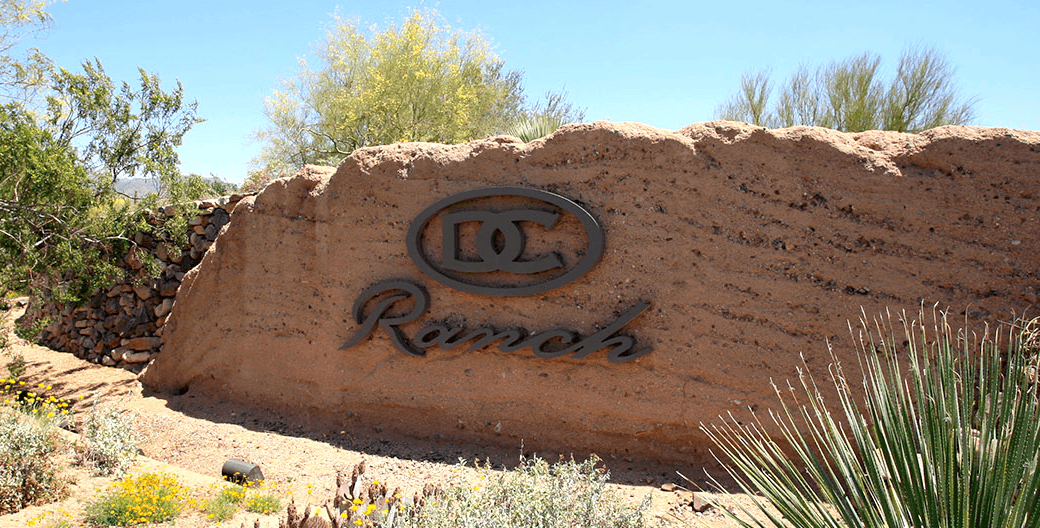
What Local SEO Means for Businesses Serving DC Ranch and Silverleaf
For a business serving these communities, local SEO means making your services and service area understandable across your website and relevant business listings.
A visitor should be able to answer four questions without digging:
- Do you provide the service I need?
- Do you serve my location?
- What evidence shows you can do the work well?
- How do I ask a question or request an estimate?
Google says local results are mainly shaped by relevance, distance, and prominence. Complete, accurate business information helps Google understand your business and match it to relevant searches. Distance is also a factor, so no agency can honestly promise that a profile change will put you first everywhere.
The practical goal is not simply to mention “DC Ranch” more often. It is to make your business a clear, credible option for the services you genuinely deliver.
Build Pages Around Services, Not Just Neighborhood Names
A location page needs a useful reason to exist. Changing a city or community name while leaving everything else identical does little to help a prospective customer evaluate your business.
Start with the service itself. Explain what is included, who it is appropriate for, how the process works, and what happens after someone contacts you.
For a Home-Service Business
Explain the actual work you perform, your scheduling process, how estimates are handled, and any relevant project limitations. If you have permission to share a completed local project, show the work and describe your role.
For a Professional-Service Business
Explain the problem you help clients address, your qualifications, what an initial conversation involves, and what information a prospective client should prepare.
For a Business Serving Multiple Areas
State your coverage clearly. Use separate area pages only when you can provide meaningful, accurate information specific to those areas.
Do not imply that you have an office in DC Ranch or Silverleaf if you do not. Serving an area and maintaining a physical location there are different claims.
Make Your Google Business Profile Accurate and Useful
Your Google Business Profile should reflect the same business customers encounter on your website and when they contact you. Google recommends maintaining complete information, current hours, appropriate categories, and useful photos.
Review these details:
- Your real business name and primary phone number.
- Your website address and working contact links.
- Categories that accurately describe your business.
- Normal hours and relevant special hours.
- Your appropriate address or service-area configuration.
- Current photos that accurately represent your work or business.
Keep the focus on accuracy. Do not add locations, services, or claims simply because you hope they will attract more searches.
Google also explains that reviews and links can contribute to prominence. That makes genuine customer feedback and relevant business recognition worth developing—but neither is a guarantee of a particular ranking.
Replace Broad Claims With Evidence Customers Can Evaluate
“Exceptional service” does not explain very much on its own. Give prospective customers details they can use.
Depending on your business, that might include:
- Original project photos with clear descriptions of the work.
- Customer testimonials published with permission.
- Relevant qualifications, licenses, or insurance details, where applicable and accurate.
- A clear explanation of your estimate, scheduling, and communication process.
- Case studies that distinguish the work completed from any results you can substantiate.
Avoid implying that a neighborhood, homeowners association, or community organization endorses your business unless you have authorization to make that claim.
The purpose of proof is to help a customer make an informed decision—not to make your business appear larger or more connected than it is.
Make the Next Step Easy on a Phone
Review your website as a potential customer, not as its owner. Open it on your phone and try to contact the business.
- Find the service you want without using the site search.
- Confirm the service area.
- Tap the phone number and check the number it opens.
- Submit a clearly labeled test inquiry through your form.
- Confirm that the inquiry reaches the person responsible for responding.
Keep the first inquiry form focused on what you actually need to begin a conversation. Explain what happens after submission and avoid promising a response time you cannot consistently meet.
More visibility is not the only objective. The path from interest to contact needs to work too.
Publish Content That Helps Someone Choose a Provider
Before writing another neighborhood article, consider what a prospective customer needs to know before hiring you.
Useful topics can include:
- What is included in a particular service.
- What affects the price of a project.
- How your estimate or consultation process works.
- How to prepare for the work.
- What a completed project involved.
- When your service is not the right fit.
Add local context where it genuinely changes the answer. Use real experience rather than inventing assumptions about residents’ budgets, personalities, or preferences.
Each article should lead naturally to a relevant service page or contact option. A reader looking for a specific service should not have to navigate a general list of everything your company does.
Measure Qualified Inquiries, Not Just Website Visits
Set up your reporting around the actions that matter to your business:
- Relevant inquiries from your actual service area.
- Calls and completed inquiry forms.
- Consultations or estimates booked.
- Proposals sent and work approved.
- The services that attract appropriate customers.
Distinguish a phone-button click from a completed call, and a form submission from a qualified opportunity. Ask customers how they found you and record that answer alongside your website reporting.
The objective is a clearer view of what produces suitable work, not a dashboard full of numbers with no connection to sales.
DC Ranch and Silverleaf Local SEO Questions
Do I Need an Office in DC Ranch to Serve Customers There?
Serving customers in an area does not mean you should claim a physical office there. Describe your actual coverage accurately and configure your Google Business Profile according to your real business setup.
Can You Guarantee First Place on Google Maps?
No. Google says local ranking depends on factors including relevance, distance, and prominence, and that businesses cannot request or pay Google for a better organic local ranking. A responsible SEO engagement should define the work and reporting without guaranteeing a specific position.
Should I Create Separate Pages for Every Neighborhood?
Create a separate page when you can give visitors meaningful, accurate information they would not get from your existing service-area content. Do not create a collection of nearly identical pages simply to insert more location names.
What Should I Improve First?
Start with incorrect contact information, broken inquiry paths, unclear service descriptions, and inaccurate business details. Then assess the relevant service pages, supporting evidence, and search visibility before deciding what to build next.
Can TLD USA Help With Both My Website and Local SEO?
Yes. TLD USA offers website and local SEO services for businesses serving Phoenix and Scottsdale. Contact us to discuss your current setup and whether the work you need is a fit.
Build a Clearer Path From Local Search to Customer Inquiry
If your business serves DC Ranch, Silverleaf, or the surrounding Scottsdale area, your website should make it easy to understand your services, evaluate your work, and contact you.
TLD USA can help you assess your website and local SEO priorities. Start with a conversation about your business—not a promise of instant rankings.
For Google’s explanation of local search factors, see Tips to improve your local ranking on Google . Local visibility varies, and specific rankings or lead volumes are not guaranteed.